
How to Budget for a Hardscaping Project: Hidden Costs & Savings Tips
Learn how to build a realistic hardscaping budget including commonly overlooked costs, financing options, and strategies to maximize your investment.
Building a Realistic Budget
The number one source of homeowner frustration with hardscaping projects is budget overrun. Not because contractors are dishonest, but because homeowners underestimate the true total cost. The materials and labor you see in a quote typically represent only 70–80% of the real project cost.
Understanding the full cost picture before you start — including the hidden costs that don't appear in most quotes — lets you plan realistically and avoid the stress of unexpected expenses mid-project.
Average Project Costs by Type
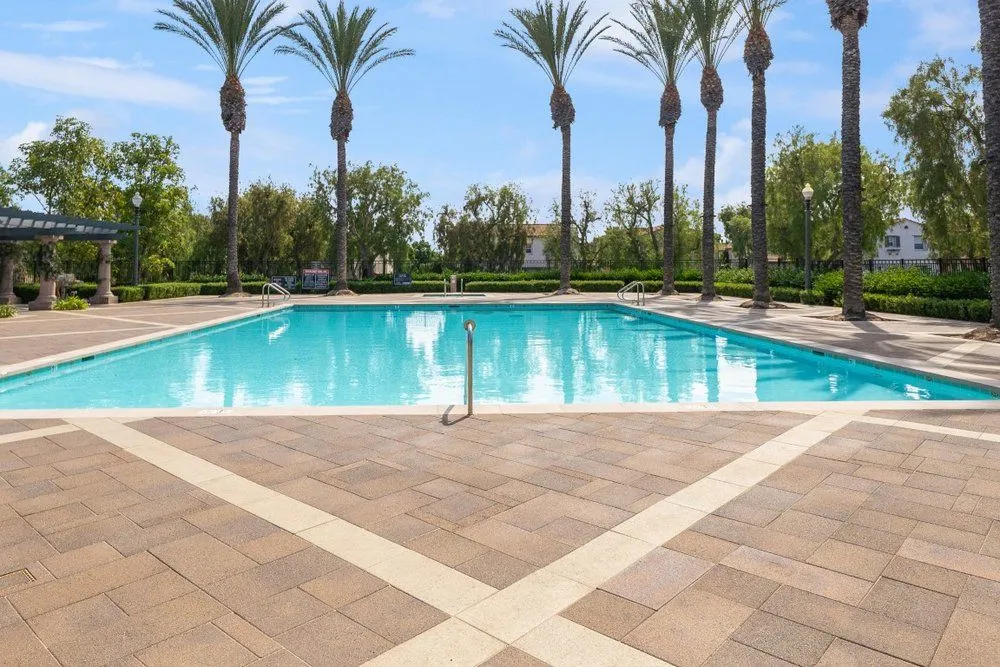
Paver patio (300–500 sq ft): $3,000–$12,000. Pool deck (400–800 sq ft): $6,000–$20,000. Retaining wall (50–100 linear ft, 2–4 ft tall): $5,000–$25,000. Paver driveway (400–700 sq ft): $6,000–$18,000. Outdoor kitchen (basic to premium): $5,000–$50,000. Fire pit (built-in): $2,000–$8,000.
These ranges are wide because material choice, site conditions, design complexity, and regional labor rates all create huge variation. A simple rectangular patio with concrete pavers at the low end vs. a curved multi-level patio with travertine at the high end are fundamentally different projects.
As a general rule, plan to spend $15–$25 per square foot for standard paver installations (patio, walkway) and $20–$45 per square foot for structural work (retaining walls, driveways). These ranges cover materials, labor, base preparation, and basic finishing.
- Paver patio: $10–$25/sq ft installed
- Pool deck: $10–$30/sq ft installed
- Retaining wall: $20–$60/face sq ft installed
- Paver driveway: $12–$25/sq ft installed
- Outdoor kitchen: $5,000–$50,000+ total
Get Expert Help
Connect with verified contractors in your area who specialize in this work.
Start ProjectHidden Costs Most Homeowners Miss
Grading and drainage: If your site needs re-grading or a drainage solution (French drain, catch basin, swale), this can add $1,000–$5,000 that won't appear in a basic paver quote. Ask specifically about site preparation needs.
Demolition and disposal: Removing an existing concrete slab, old pavers, or other material costs $3–$8 per square foot, including hauling and dump fees. If your quote says 'site to be cleared by owner,' factor this in.
Permit fees: $200–$1,000 depending on project type and jurisdiction. Some contractors include this; many don't. Always ask.
Landscaping restoration: Equipment access, material staging, and foot traffic will damage adjacent lawn and landscaping. Budget $500–$2,000 for post-construction landscape repair.
Pro Tip
Add a 15–20% contingency to your total project budget. This covers unexpected site conditions (rock, roots, buried utilities), design changes during construction, and the inevitable small additions that come up once you see the work taking shape.
Financing Options
Home equity loans (HELOCs) offer the lowest interest rates for home improvement projects (typically 6–10%) and the interest may be tax-deductible. This is the best option for large projects over $15,000.
Personal loans (unsecured) from banks or credit unions offer fixed rates of 8–15% with no home equity required. They're faster to obtain than HELOCs and work well for mid-range projects.
Contractor financing: some larger hardscaping companies offer financing through third-party lenders. Rates vary but are often competitive. Be cautious of 'same as cash' promotions — they often carry deferred interest that kicks in retroactively if the balance isn't paid in full by the promo period end.
Credit cards should be a last resort due to high interest rates (18–25%). However, a 0% APR promotional card can work for smaller projects if you can pay it off within the promotional period.
Ready to Start Your Project?
Get free, no-obligation quotes from top-rated hardscaping professionals near you.
Get Free QuotesThe Phased Approach
If your dream project exceeds your current budget, consider phasing the work over 2–3 years. Build the most impactful elements first and add features later.
Phase 1 might be the patio and basic walkway. Phase 2 adds a fire pit and seat wall. Phase 3 adds an outdoor kitchen. Each phase is a complete, functional project on its own, and you avoid the stress of financing everything at once.
Important: plan the full layout in Phase 1 even if you're only building part of it. This ensures proper grading, drainage, and utility routing for future phases. Retrofitting these elements later is much more expensive than designing them in from the start.
How to Get the Best Value
Timing matters. Schedule your project during the off-season (late fall through early spring in most regions) and you may get 10–20% lower pricing. Contractors need to keep crews busy year-round, and winter discounts are real.
Bundle multiple projects. If you need a patio, a walkway, and a small retaining wall, getting all three done by the same contractor at the same time is almost always cheaper than three separate projects due to shared mobilization and base preparation costs.
Be flexible on material. If your contractor recommends a specific paver brand or product, ask why. They may get better pricing on certain product lines, which translates to savings for you without compromising quality.
Don't automatically choose the cheapest quote. Instead, evaluate cost per square foot, material quality, base preparation depth, warranty terms, and the contractor's track record. The best value is the quote that delivers the highest quality per dollar — not the lowest total number.
Need Professional Advice?
Speak directly with experienced hardscapers who can bring your vision to life.
Find a ProReturn on Investment
Hardscaping projects generally return 50–80% of their cost at resale, which is competitive with or better than most interior renovations. The highest-ROI hardscaping improvements are: paver patio (60–75%), outdoor kitchen (60–80%), and paver driveway (70–80%).
Beyond resale value, consider the lifestyle return. A patio that costs $10,000 and gives you 10 years of daily outdoor enjoyment costs $2.74 per day — less than a cup of coffee. Frame the investment in terms of daily use value, not just eventual resale.
One often-overlooked ROI factor: energy savings. A well-designed shade structure over a south- or west-facing patio can reduce air conditioning costs by shading the adjacent home wall and windows. This won't pay for the structure alone but does offset costs over time.
Have more questions about Planning & Budgeting?
Get free quotes from verified hardscaping professionals in your area.
Start Project