
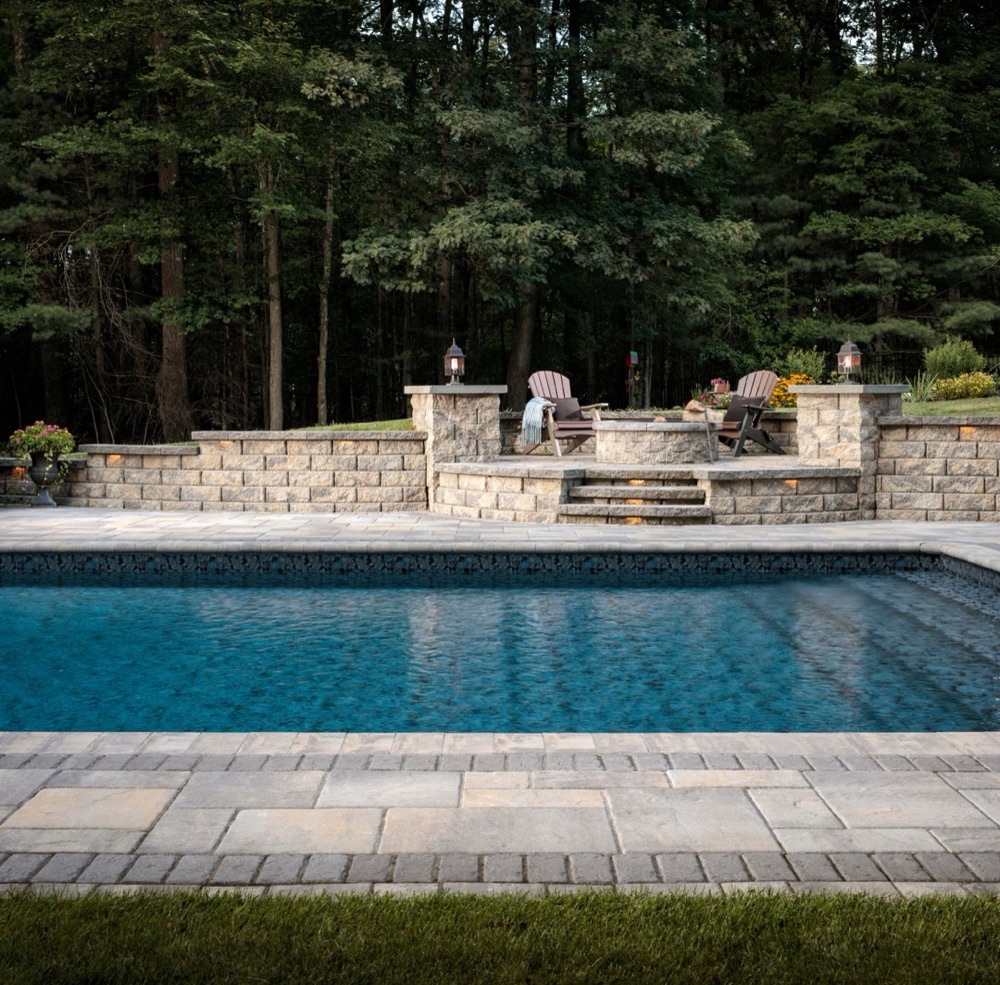
Pool Deck Safety: Slip Resistance, Drainage & Code Requirements
Essential safety information for pool decks including ASTM slip ratings, drainage requirements, building codes, and child safety considerations.
Safety First Around the Pool
Pool decks are one of the most slip-prone surfaces in your home. Water, sunscreen, and bare feet create conditions where falls are common — and falls on hard surfaces near pool edges can cause serious injuries. Designing your pool deck with safety as the primary consideration isn't overcautious; it's responsible.
Beyond slip resistance, proper pool deck design includes adequate drainage (standing water is both a slip hazard and a hygiene concern), code-compliant barriers and fencing, and material choices that stay comfortable in extreme temperatures.
Understanding Slip Resistance Ratings
The most important safety metric for pool decks is the Dynamic Coefficient of Friction (DCOF), measured under wet conditions using ASTM C1028 or the newer ANSI A326.3 standard. A DCOF of 0.42 or higher is considered acceptable for wet areas. For pool decks, aim for 0.50 or higher.
Different materials have very different slip ratings. Textured concrete pavers typically rate 0.55–0.70, travertine with a tumbled finish rates 0.50–0.65, and smooth stamped concrete rates just 0.30–0.45 without a non-slip additive. Always ask your material supplier for wet DCOF test results.
Surface texture is the primary factor in slip resistance. Flame-finished, bush-hammered, or naturally textured surfaces provide the best traction. Smooth, polished, or glossy surfaces — including over-sealed pavers — are unsafe around pools regardless of the base material.
- Minimum acceptable wet DCOF: 0.42
- Recommended for pool decks: 0.50+
- Best performers: textured concrete pavers (0.55–0.70)
- Worst performers: smooth/polished stone (0.25–0.35)
Get Expert Help
Connect with verified contractors in your area who specialize in this work.
Start ProjectProper Drainage Design
Pool decks should slope away from the pool at a minimum of 1/4 inch per foot — just enough to direct water away without creating an uncomfortable walking surface. Water should flow toward landscape areas, drainage channels, or collection drains — never back toward the pool or toward your house foundation.
Standing water on a pool deck is both a safety hazard (slip risk) and a maintenance problem (algae growth, staining). If you notice puddles forming after rain or pool use, the deck likely has low spots or insufficient slope that need correction.
French drains or channel drains at the deck perimeter are excellent solutions for managing heavy water flow. These hidden drainage systems collect surface water before it reaches landscaping or hardscape areas, preventing erosion and water damage.
Pro Tip
After your pool deck is installed, test the drainage by spraying the entire surface with a hose. Water should sheet off within 30 seconds with no standing puddles. Any low spots should be addressed before final acceptance.
Building Code Requirements
Most jurisdictions require a barrier fence of at least 48 inches around residential pools, with self-closing, self-latching gates. The deck surface itself may also be subject to code requirements regarding slope, material, and proximity to property lines.
Setback requirements vary by jurisdiction but typically require the pool and deck to be at least 5–10 feet from property lines. Electrical outlets near the pool must be GFCI-protected, and any lighting must be rated for wet locations.
Always pull the required permits before starting pool deck construction. Unpermitted work can create legal liability issues, complicate home sales, and may not be covered by homeowner's insurance if an accident occurs.
Ready to Start Your Project?
Get free, no-obligation quotes from top-rated hardscaping professionals near you.
Get Free QuotesChild Safety Considerations
If children will be using the pool area, safety requirements go beyond code minimums. Choose the most slip-resistant material available, ensure the entire deck surface maintains consistent slip resistance (no smooth decorative inserts), and avoid level changes or steps that could cause trips.
Pool alarms, safety covers, and self-latching gates provide layers of protection. The deck surface should be comfortable for bare feet and knees — children spend more time sitting and crawling on pool decks than adults do, so avoid rough-textured surfaces that can cause abrasion.
Rounded coping edges (the cap on the pool wall) are much safer than square edges. If you're replacing your pool coping as part of a deck project, choose bullnose or rolled-edge coping to reduce injury risk from falls.
Safest Material Choices
For maximum safety, the top pool deck materials are: textured concrete pavers with cool-color technology, tumbled travertine, and brushed or flame-finished natural stone. All three provide excellent wet slip resistance, reasonable surface temperatures, and proven long-term durability.
Avoid smooth stamped concrete, polished stone, and dark-colored materials in full-sun pool areas. If you prefer the look of stamped concrete, ensure a non-slip additive is broadcast into the sealer coat and that the sealer is reapplied on schedule to maintain slip resistance.
Consider the entire walking path — from the house to the pool, around the pool deck, and to any outdoor showers or changing areas. Every surface in this path should meet the same slip resistance standards, not just the pool deck itself.
Have more questions about Pool Decks?
Get free quotes from verified hardscaping professionals in your area.
Start Project