
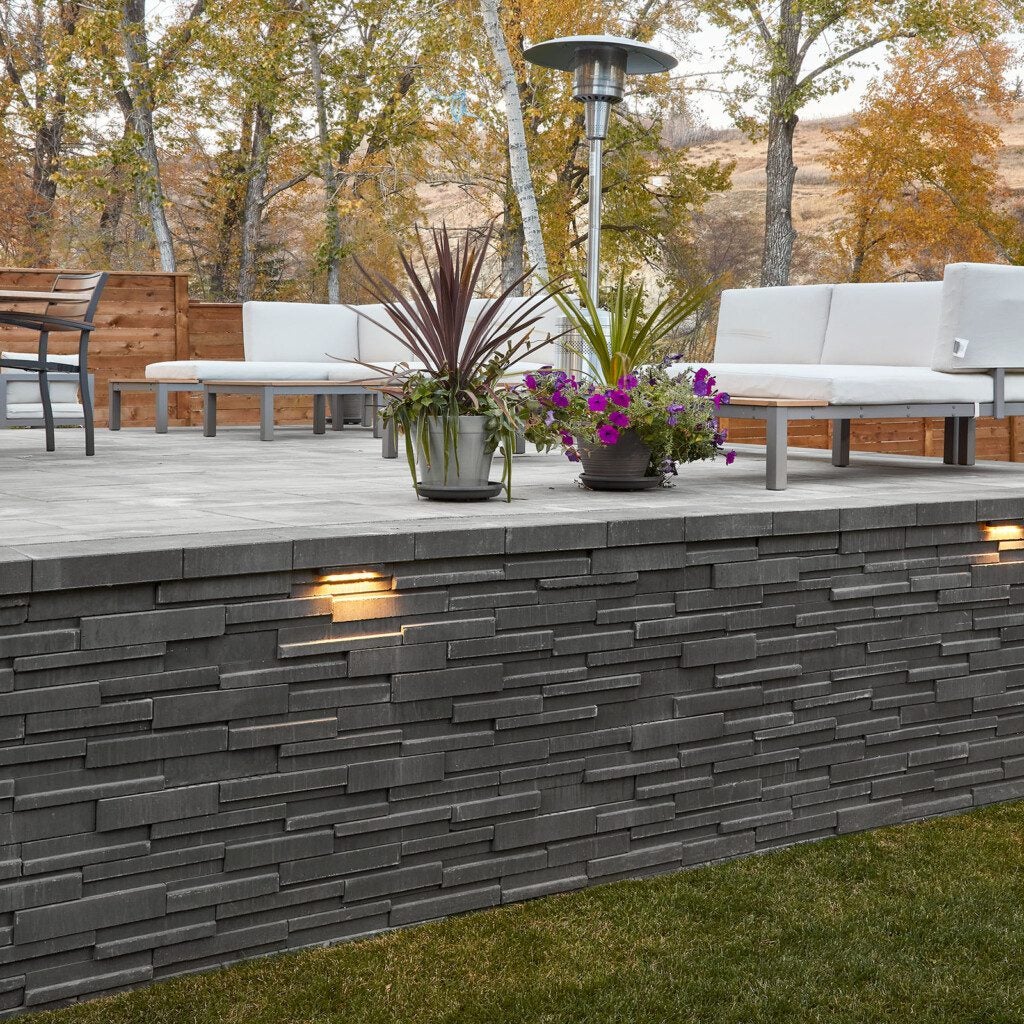
Retaining Wall Drainage: Why It Matters & How to Get It Right
Learn why drainage is the most critical component of any retaining wall and how to properly implement French drains, weep holes, and gravel backfill.
The #1 Cause of Retaining Wall Failure
More retaining walls fail from poor drainage than from any other cause — including undersized footings, inadequate reinforcement, and inferior materials. When water accumulates behind a retaining wall, it creates hydrostatic pressure that can be enormous. A single cubic foot of saturated soil weighs about 120 pounds, and that pressure multiplies rapidly with wall height.
Proper drainage is not optional. It's the single most important factor in whether your retaining wall lasts 5 years or 50 years. Every retaining wall — regardless of type, height, or material — needs a drainage system.
How Water Destroys Retaining Walls
Water behind a retaining wall creates three destructive forces. First, hydrostatic pressure pushes horizontally against the wall, potentially exceeding the wall's designed resistance. Second, saturated soil weighs significantly more than dry soil, increasing the load the wall must support. Third, freeze-thaw cycles can heave the wall forward as trapped water expands when it freezes.
A well-drained wall deals with dry or slightly moist soil that exerts predictable, manageable pressure. A poorly drained wall deals with saturated, heavy, expanding soil that generates forces far beyond what the wall was designed to handle. The result is leaning, bulging, cracking, and eventual failure.
Pro Tip
If you see water seeping through the face of an existing retaining wall, efflorescence (white mineral deposits), or the wall leaning forward, these are signs of drainage failure that need immediate attention.
Get Expert Help
Connect with verified contractors in your area who specialize in this work.
Start ProjectFrench Drain Systems
A French drain is the standard drainage solution for retaining walls. It consists of a perforated pipe (typically 4-inch corrugated or PVC) placed at the base of the wall, surrounded by clean drainage gravel, and wrapped in filter fabric to prevent soil from clogging the pipe.
The pipe should be placed with the perforations facing down (this is counterintuitive but correct — water rises into the pipe from below). The pipe must slope at least 1% (1/8 inch per foot) toward a daylight outlet where water can exit the system.
The drainage gravel zone should extend at least 12 inches behind the wall and should be separated from the native backfill soil by filter fabric. This creates a clear drainage path that channels water down to the French drain rather than allowing it to build up behind the wall.
- Use 4-inch perforated pipe (corrugated or rigid PVC)
- Perforations face DOWN
- Minimum slope: 1/8 inch per foot toward outlet
- Surround with 12+ inches of clean 3/4-inch drainage gravel
- Wrap gravel zone in non-woven filter fabric
Weep Holes
Weep holes are small openings in the wall face that allow water to pass directly through the wall. They're simple, low-cost, and effective as a supplementary drainage method — but they should not be the sole drainage solution for walls over 2 feet tall.
In block walls, weep holes are typically created by leaving gaps in the mortar or by inserting PVC pipe sections through the wall face at regular intervals. Spacing is usually every 4–6 feet along the base course of the wall.
The main limitation of weep holes is aesthetic — water flowing through the wall face can cause staining, algae growth, and efflorescence. For this reason, most designers use French drains as the primary system and weep holes as a secondary backup.
Ready to Start Your Project?
Get free, no-obligation quotes from top-rated hardscaping professionals near you.
Get Free QuotesProper Backfill Techniques
The area immediately behind a retaining wall should never be backfilled with native clay soil. Clay holds water like a sponge and dramatically increases hydrostatic pressure. Instead, use clean, compactable granular fill — typically 3/4-inch crushed gravel or a gravel-sand blend.
Backfill should be placed in lifts of 6–8 inches and compacted with a plate compactor after each lift. Proper compaction prevents settling that can damage the wall and ensures the backfill performs as designed.
The granular backfill zone should extend at least 12 inches behind the wall (more for taller walls). Beyond that zone, you can transition to native soil, but always separate the two zones with filter fabric to prevent fine soil particles from migrating into the drainage gravel and clogging the system.
Pro Tip
Never use topsoil, clay, or organic material as retaining wall backfill. These materials retain water and create exactly the conditions that cause wall failure. Clean gravel or crusher run is the only acceptable backfill material.
Common Drainage Mistakes
The most common mistake is skipping drainage entirely. Some contractors — especially on short walls — argue that drainage isn't necessary for walls under 3 feet. This is wrong. Even a 2-foot wall can fail from water pressure, especially in clay soils or areas with high water tables.
Other common mistakes include: using the wrong gravel (rounded river rock doesn't compact and can't support the wall), omitting filter fabric (allowing soil to clog the drain pipe within a few years), and routing the French drain to a dead end instead of a proper daylight outlet.
If your contractor's quote doesn't include a detailed drainage plan — including pipe size, gravel type, filter fabric, and outlet location — ask about it specifically. A contractor who dismisses drainage concerns on a retaining wall project is a red flag.
Have more questions about Retaining Walls?
Get free quotes from verified hardscaping professionals in your area.
Start Project